Buying a Used Car: How to Avoid Getting a Lemon

AAMCO Bay Area • June 4, 2020

It can be tough to know what you’re getting when you buy a used car. Having a trusted mechanic to go to with questions or a car inspection will make a big difference but there are also a number of things you can pay attention to yourself. Before buying, you should be able to get enough information to feel comfortable, as well as having time to inspect and drive the car yourself.


Related: Pre-Purchase Inspection

Related: Car Maintenance Basics

Related: 5 Signs Of A Dying Transmission


Get as Much Information as You Can


Certain information should be made available to you before you purchase a used car. And if an answer doesn’t sit right with you, take note. Look for red flags from the seller, such as glossing over an issue you see, avoiding answering a question, or giving an answer that doesn’t quite make sense. Otherwise, look for the following information before making a final decision.


Read the Buyer’s Guide in the Car

Every dealer should have a buyer’s guide stuck in the window of any used car being sold. This should come with key information about the vehicle’s history, as well as any information about a warranty or lack thereof that comes with the purchase of the car. In fact, the buyer’s guide overrides any provisions in the sales contract, so be sure that both are adjusted if changes are made to your contract before purchase. If you’re buying directly from an owner, this won’t be available to you, as it’s only required of car dealerships.


Look up Records for the Car

You can also look at the vehicle’s records before purchasing it. This should show any reported accidents and major repairs as a result of accidents, plus any recalls that have been issued and addressed. This can indicate whether the car may still have damage to the suspension as a result of an accident or maybe residual flood damage. However, if an accident or natural disaster wasn’t reported to the previous owner’s insurance, some things may be left out.
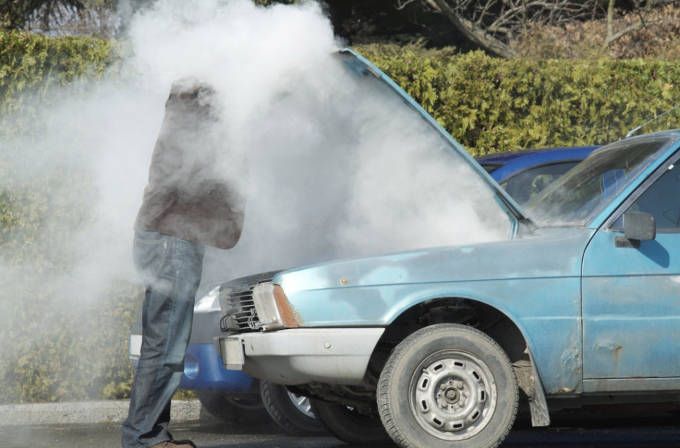
Person under a cloud of steam beside a light blue car with its hood open

Take a Closer Look for Yourself


You should also have time to take a close look at the car yourself, including the exterior, interior, and under the hood. There’s a lot you can tell from some time checking out the car for yourself.


Check the Exterior of the Car

Take a couple of circuits around the car and look for dents or scratches that could be indications of potentially larger damage. Also, keep an eye out for differences in paint or anything else that indicates mismatched body panels or parts.

Look Inside the Car

There are a variety of things to pay attention to in the interior of the car. Frayed seat belts could indicate a frontal impact accident at higher speed, which also likely resulted in more damage than a fender bender. Look at the dashboard, carpeting, headliner, and seats as well. If they look overly worn or cracked, take note. Additionally, if you smell mold or mildew, it’s likely there is flood damage that may or may not be on the car’s record.


Take a Look Under the Hood

While you may not know everything you’re looking at under the hood, bigger issues should be somewhat apparent. Look at whether key parts like the engine and battery look overly greasy or dirty. There will be some from use, but at first glance, they should not look too greasy or have much corrosion. This will depend in part on the age of the car you’re looking to buy. You can also check the fluids in the car and look for wet spots that could indicate a fluid leak of some sort. These can all end up being pricey car repairs.

Take it for a Test Drive


Be sure to take the car out on the open road before purchasing. This will be one of the best ways to find potential problems by paying attention to how it drives and handles acceleration, turns, and braking. 


Check the Suspension

Before driving off, you can also check the suspension by bouncing the front and rear of the car. If it continues to bounce for a prolonged period of time (more than once or twice, gently), the shocks or struts are likely over-worn and require replacing. You can also test this while driving by going over a bump and paying attention to how much the car bounces after.

Smiling woman sits in a car, holding the steering wheel and looking back at the camera.

Pay Attention to Steering

Both while driving and idling, you can check the steering for potential problems. Listen for any clunking, as well as any slack or resistance when steering. Any of these could indicate a potential problem with the steering system.


Get an Initial Vehicle Inspection Done Before You Buy


You should also investigate whether you’re allowed a pre-purchase inspection or whether you can bring the car back within a certain period with no penalty. Having a trusted mechanic take a look at the car is the best way to feel sure you won’t be caught off guard with a major repair right after buying. AAMCO Bay Area offers a multi-point inspection that will ensure every essential system is working optimally in your new used car.

Share

Close-up of a manual gear shift knob and car keys on a dark dashboard
By AAMCO Bay Area June 21, 2021
Transmission problems are never fun. They can be as simple as needing new solenoids or as serious as a failing transmission, but it's a good idea to know the signs and symptoms that you may have a necessary transmission repair to handle
Hands repairing exposed gears inside a metal gearbox on a workbench
By AAMCO Bay Area June 17, 2021
Basically, your transmission is responsible for transmitting power from your car's engine to the wheels. So, what's the difference between each of the three and which is best for you? Let's do a quick overview.
Hand turning a car's center climate control knob, with blue and red temperature markings.
By AAMCO Bay Area June 17, 2021
If your car's AC stops working, what can you do to help diagnose a necessary repair or get it fixed yourself? It's best to bring your car to a trusted mechanic for an air conditioning repair service.
More Posts