


Car Radiator Health

AAMCO Bay Area • February 6, 2020

Maintaining your vehicle’s cooling system is an important part of prolonging its life as well as its efficiency. You might not know this, but overheating is one of the most common causes of engine failure. More than 65% of your vehicle’s main source of gas and power converts to heat. It’s the job of your radiator to convert all the heat produced into the air, just like your circulatory system oxygenates blood in your body. Keeping up with your vehicle’s maintenance schedule is a smart and more affordable option than waiting for more costly repairs down the road.


A big part of your vehicle’s preventive maintenance you might not know is radiator upkeep. There are certain steps you need to consider to help maintain a properly working radiator. Getting to know how it functions, and a few helpful tips can help you save time, money, and frustrating repairs down the road.


Related: The Do’s & Don’ts When Your Car Overheats
Related:
What’s in a Tune-Up?

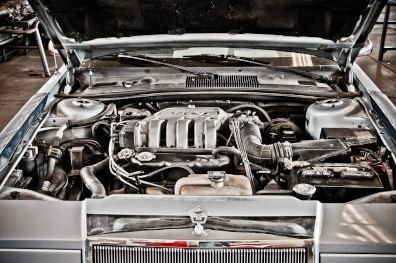
Classic car engine bay with the hood open, showing a detailed mechanical engine and chrome grille.

How Does My Radiator Function?


Your vehicle’s engine creates a lot of heat in its operation —they are powered through miniature explosions! Your car pumps coolant through the engine to keep optimum temperatures to ensure your engine doesn’t overheat. This fluid absorbs the heat produced and carries it away from the engine block. It then moves it to the radiator that works by blowing cool air across the liquid – exchanging heat, cooling it down with the air outside your vehicle.

Your radiator works by passing coolant through thin metal fins allowing heat to flow to the air outside your vehicle much more easily. Depending on the model of your car, there is a propeller fan that functions by blowing air across your radiator channeling hot air out of your vehicle. Radiators are designed in different shapes and sizes, but their primary function remains the same. Simply put, your car’s radiator cools the coolant liquid that cools your engine.


How Can I Maintain My Radiator?


Fortunately, keeping a healthy radiator to prevent your engine from overheating is quite simple. By performing the following radiator car maintenance checks regularly, you may be able to prevent overheating altogether, prolonging the life of your vehicle’s engine.


Use the Correct Coolant/Water/Anti-freeze Ratios


It’s not uncommon for drivers to put straight water into their radiator, especially after an overheating incident. However, it’s important to note that straight water should only work as a temporary fix in case of an emergency. Water is not an effective coolant on its own since it can cause your engine to freeze during cold temperatures. It’s advisable to do a 50/50 mixture of coolant and water. If you are unsure, check in with your local Bay Area mechanics or your owner’s manual for the correct ratios.

Ensure Your Radiator is Always Full


Unless you have leaks in your radiator or cooling system, your radiator needs to stay filled. It’s not uncommon to have small leaks that often go undetected; therefore, you must check your radiator regularly when your vehicle is cool to ensure it’s full.


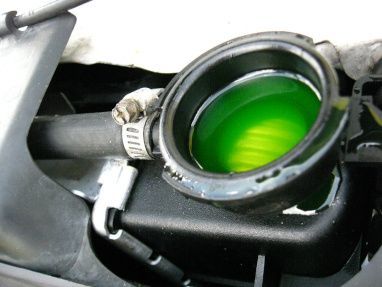
The coolant level in your radiator needs to be visible when you remove the radiator cap. In case your radiator needs fluid, only add a 50/50 mixture of coolant and water. In case your coolant levels keep decreasing, take your vehicle to your local auto repair center as soon as possible for repairs.

Open radiator cap with bright green coolant visible inside the reservoir

Perform a Radiator Flush Periodically


It’s a standard practice to have your radiator flushed periodically by a professional auto car repair center such as AAMCO Bay Area. This car maintenance service involves completely draining and filling your cooling system. There isn’t a set time when your radiator needs to be flushed since it all depends on the type, age, fluid, and condition of a vehicle. A rule of thumb is to replace your fluid:


  • Flush your radiator every 30,000 miles or two years
  • When your anti-freeze looks cloudy
  • When your vehicle is running hotter than normal
  • Four years or 50,000 miles if you are using long-life antifreeze fluid


Complete Radiator Care & Services


Prevention is better than cure, therefore the moment you notice any suspicious symptoms in your vehicle’s cooling system, check in to your local AAMCO Bay Area car repair center and have it inspected. AAMCO is a leading cooling system and radiator repair expert in the Bay Area. We also specialize in other auto maintenance and repair services including Suspension system service and repair, transmission service and maintenance, regular auto repair and maintenance, oil change service, check engine diagnosis, engine tune-up, and repair and many more. Contact us today or check in with your local AAMCO Bay Area mechanics for information about our services.

Share

Close-up of a manual gear shift knob and car keys on a dark dashboard
By AAMCO Bay Area June 21, 2021
Transmission problems are never fun. They can be as simple as needing new solenoids or as serious as a failing transmission, but it's a good idea to know the signs and symptoms that you may have a necessary transmission repair to handle
Hands repairing exposed gears inside a metal gearbox on a workbench
By AAMCO Bay Area June 17, 2021
Basically, your transmission is responsible for transmitting power from your car's engine to the wheels. So, what's the difference between each of the three and which is best for you? Let's do a quick overview.

Hand turning a car's center climate control knob, with blue and red temperature markings.
By AAMCO Bay Area June 17, 2021
If your car's AC stops working, what can you do to help diagnose a necessary repair or get it fixed yourself? It's best to bring your car to a trusted mechanic for an air conditioning repair service.
More Posts